Planning and pouring a backyard patio slab
How we plan a backyard patio in East Texas: size it for how you use it, slope it away from the house, build a firm base, and pick a finish that fits.
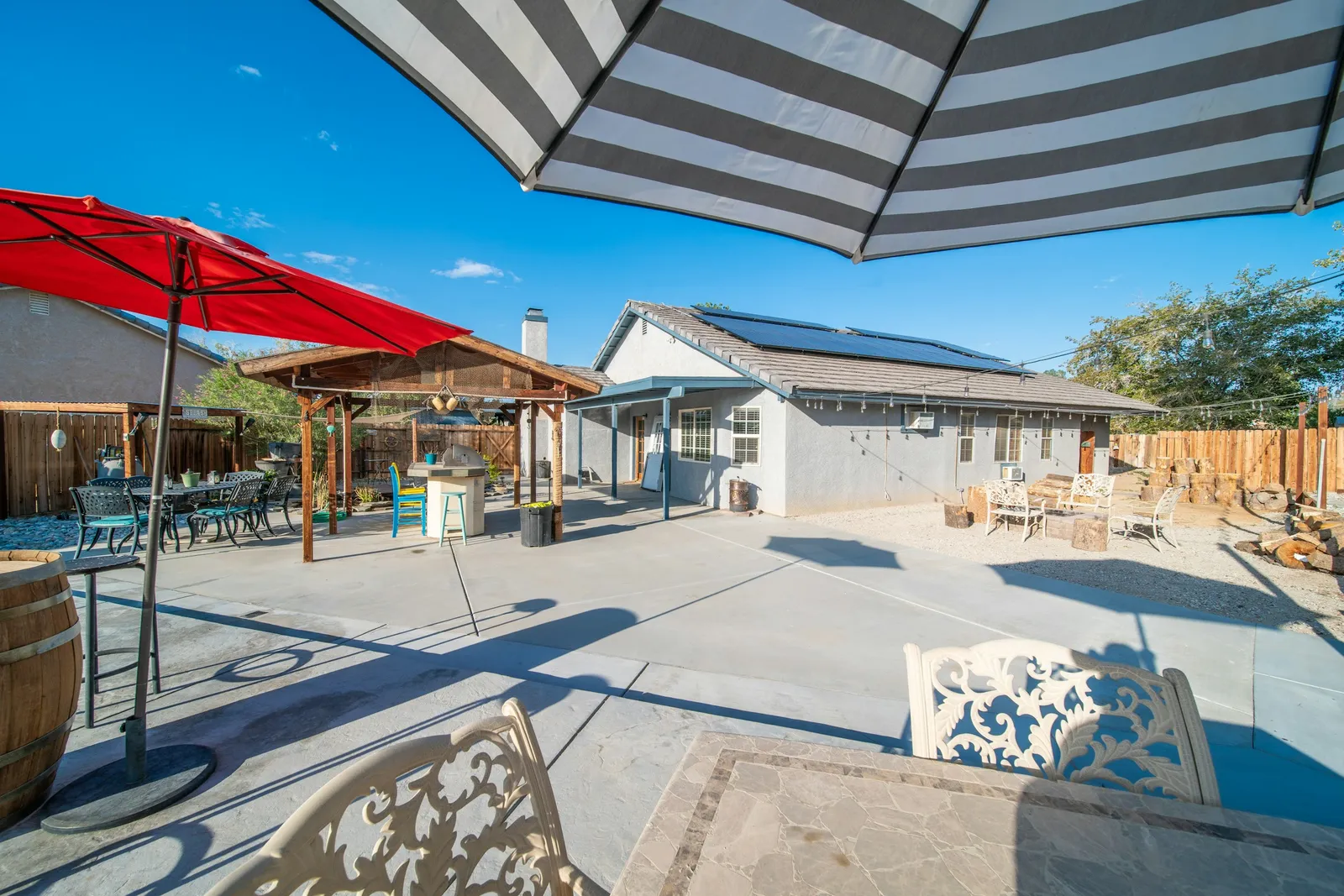
A patio is one of the simpler things we pour, and one of the easiest to get wrong. The concrete itself is not the hard part. The hard part is deciding how big it should be, where the water goes when it rains, and what the slab will sit on.
Getting the size right
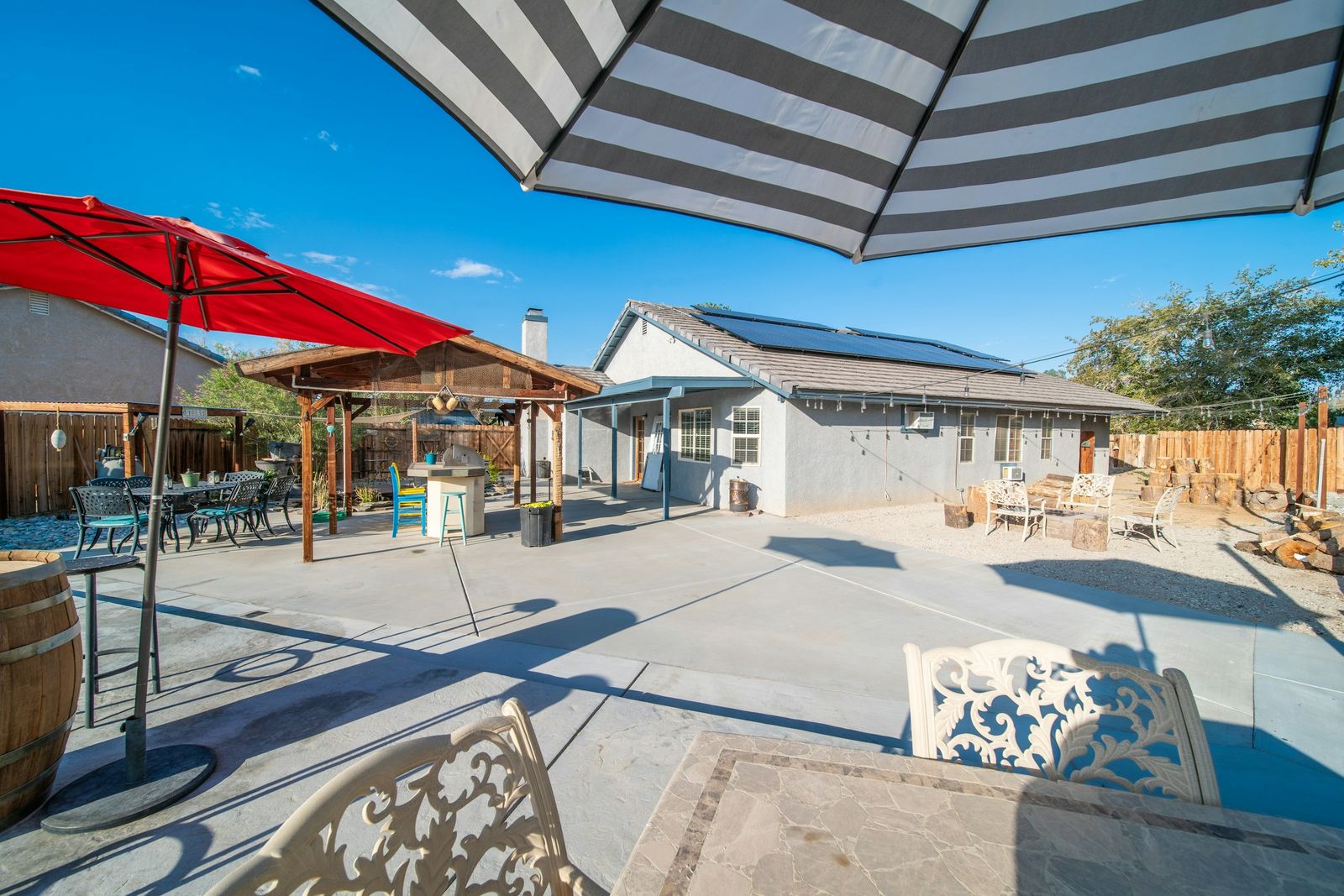
Start with what goes on it: a table and chairs, a grill or smoker, a swing, a place for kids to ride bikes. Set the furniture out on the grass or mark the corners with stakes and string, then walk around inside it. A patio that looked big on paper often feels tight once the chairs are pulled back from the table.
Think about shade too. In an East Texas summer, a slab in full afternoon sun gets hot underfoot and stays that way into the evening. Some people place the patio where the house or a tree shades it later in the day, or plan it with a cover in mind for down the road.
Where the water goes
Every patio needs to shed water, and it needs to shed it away from the house. We set the forms so the slab falls slightly away from the foundation, enough to drain without feeling tilted when you walk on it. Then we look at where that water lands. If it runs toward a low spot that already holds water after a storm, the grade around the slab needs work as well.
Red clay makes this matter more. Water that sits along one side of a slab keeps the clay wet there and dry everywhere else, and that uneven movement is what cracks concrete.
Base, joints and finish
A slab is only as steady as what is under it. We prep the subgrade, compact the base, place reinforcement, and cut control joints so the patio has planned places to crack instead of random ones. It is the same approach we use across all of our concrete work, from driveways to shop slabs.
Finish is your call, and the edges are tooled either way. A broom finish gives traction and is the usual choice for an open patio that gets rained on. A smooth trowel finish is easier to sweep and suits a covered patio or porch slab that stays dry. If you have a decorative finish in mind, tell us when you call and we will tell you what we can do on your job.
Adding on to an existing slab
Sometimes the patio you want is an extension of one you already have, because the slab behind the house was never big enough. That can work well. We look at the old slab first. If it is level and sound, we plan how the new concrete meets it and put a joint on that line, so any movement between old and new happens along a straight edge instead of across the middle.
If the old slab has settled or cracked badly, we will tell you. Pouring onto a failing slab carries its problems into the new one, and sometimes taking it out and starting over is the better use of your money.
When you are ready to talk it through, request a free estimate and we will come walk the yard with you.