Exterior painting prep for East Texas weather
Why exterior paint peels and fades in East Texas sun and humidity, the prep we do before we paint a house, and how to think through sheen and color.
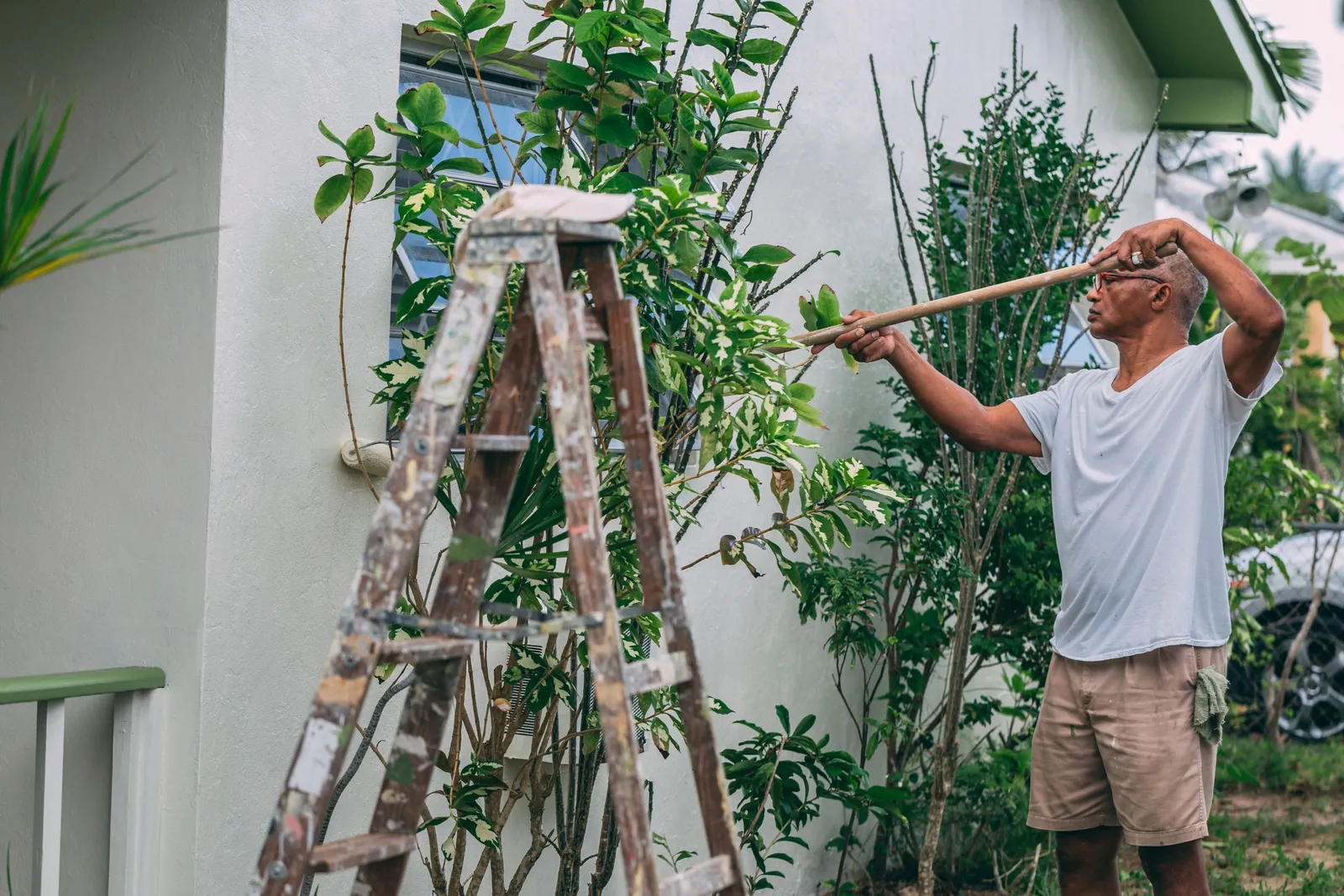
Exterior paint in East Texas has a hard life. The sun bakes the south and west walls every afternoon, the humidity keeps wood swelling and shrinking, and every spring the pine pollen coats everything in yellow. Paint that looked fine when it went on starts to chalk, fade, crack or peel, and once water gets behind it, the wood underneath is next.
Why exterior paint fails here
Most paint failure starts with the surface, not the paint. Paint put over dirt, mildew or pollen sticks to the dirt instead of the house, and paint put over loose paint comes off when the old layer lets go. Bare wood that was never primed soaks up the first coat unevenly and gives the topcoat nothing good to grip. Open joints and gaps let water into the siding, and the paint lifts from behind.
Sun and heat speed all of it up. That is why the side of a house facing the afternoon sun usually looks worse than the rest.
The prep we do first
Prep is most of the job, and it is what makes the paint last. On an exterior, that means:
- Wash. Dirt, mildew and pollen come off so paint bonds to the surface, and the house dries before anything goes on.
- Scrape. Loose and peeling paint comes off. We do not paint over peeling paint.
- Sand. The rough edges left by scraping get feathered so they do not show through the new coat.
- Caulk and patch. Gaps at trim, corners and around windows get caulked, and small damage gets patched.
- Prime. Bare wood and patched spots get primer so the topcoat has something to hold.
Then we apply the coats the product calls for, not one fewer. If we find soft or rotted wood while we prep, we show you and talk through what to do before any paint goes over it.
Sheen and color
Sheen changes how paint looks and how it wears. Flatter finishes hide the small dents and patches in older siding. Glossier finishes wipe clean more easily and usually go on trim, doors and shutters, where hands and weather hit hardest. We settle which sheen goes where before we write up the scope.
Color reads differently outside than it does on a chip. Strong afternoon sun washes out light colors, some pale shades look almost white by midday, and dark colors soak up more heat on a sunny wall. Bring us the colors you are considering and we will tell you how they will read on your house in this light. A test patch on a sunny wall and a shaded wall is worth the short wait.
What to expect
Before we start, the estimate lists exactly what gets painted: siding, trim, fascia, soffits, doors, shutters. We schedule around the weather, because paint needs a dry surface and the right conditions to cure, and a rainy stretch in spring can move the start date. When the paint is on, we walk the house with you in daylight and touch up anything that needs it. Exterior work is one part of our painting services, which also cover interiors, fences and decks.
To get a free estimate on painting your house, call 870-292-5801 or fill out the free estimate form.