Privacy fence repair starts with the posts
Why wood privacy fences lean in East Texas, how storm damage usually starts, and how we decide between repairing a section and rebuilding it to match.
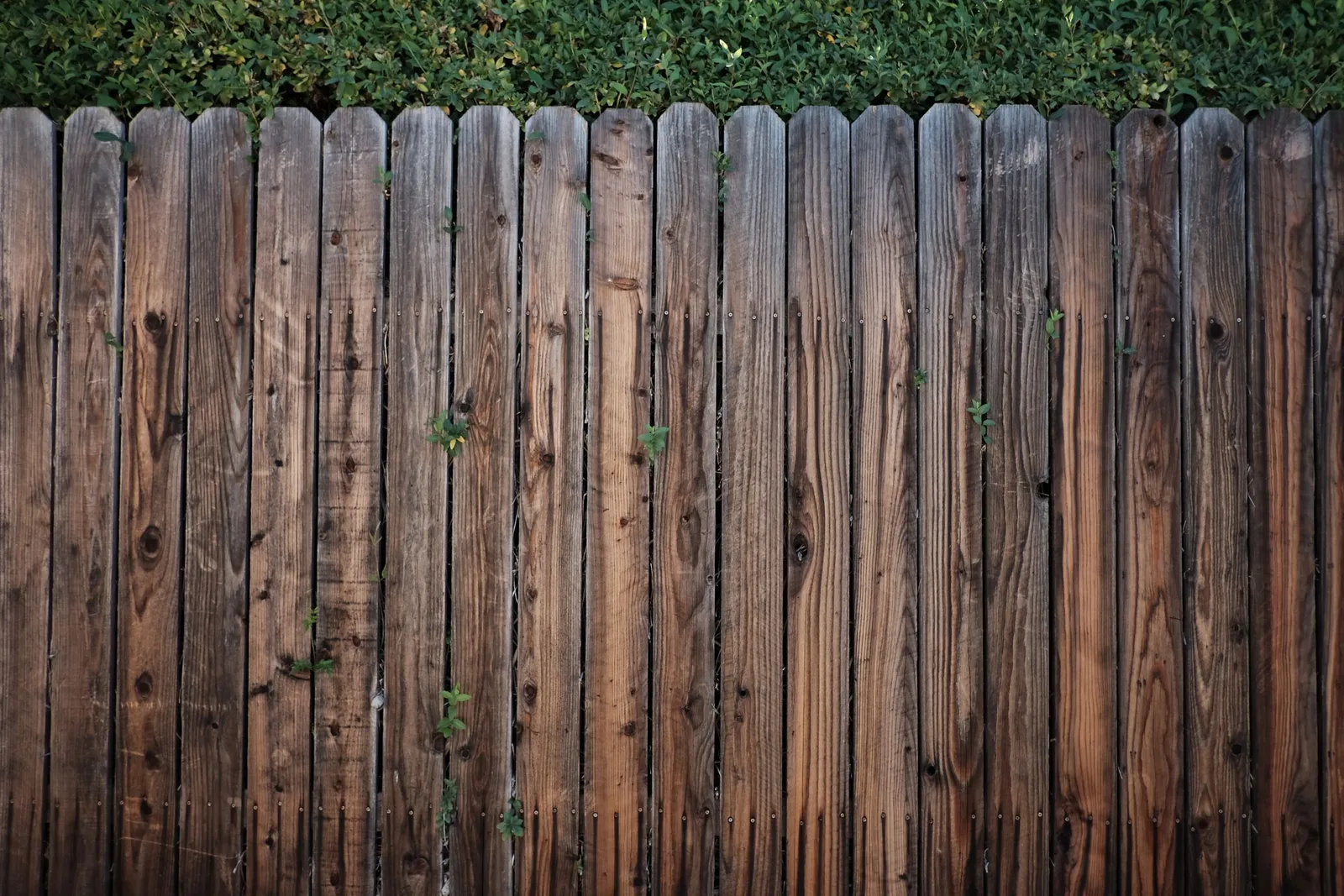
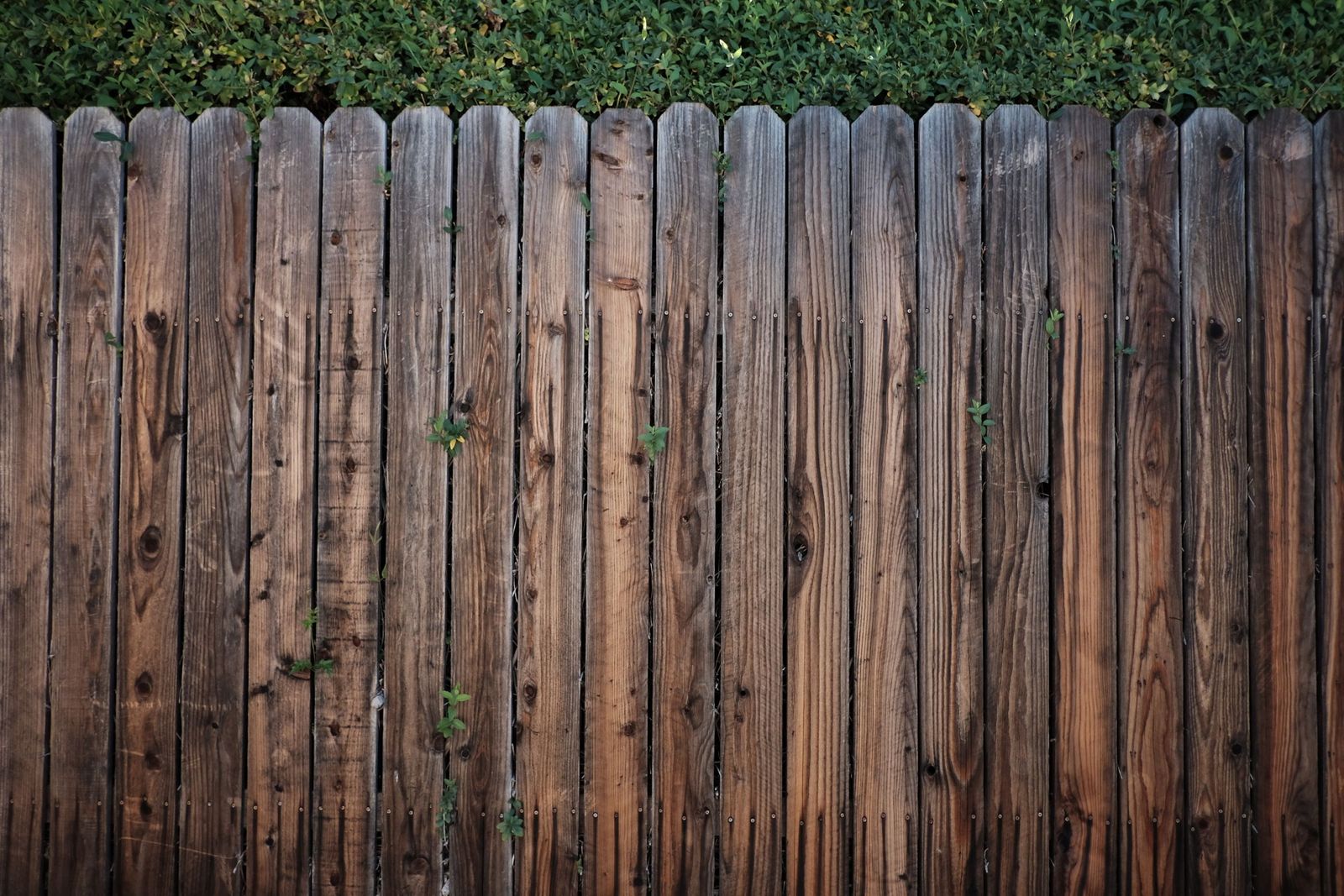
When a wood privacy fence starts to lean, the pickets get the blame, but the problem is almost always lower down. A privacy fence is a solid wall of boards that catches every gust of wind, and all of that load comes down on the posts. When a post gives, the run goes with it.
Rot at the ground line
The spot where a wood post meets the dirt is where it fails. That band gets wet after every rain, dries out, and gets wet again, and East Texas humidity keeps it from ever drying all the way. Over time the wood goes soft right at grade while the part above ground still looks fine. Push on a leaning post and you will often feel it move from the bottom instead of flexing from the top.
Red clay adds to it. Clay that swells in a wet spring and shrinks in a dry August works a post loose in its hole, and a post that is already soft at the ground line does not take much to tip.
Storm damage
Spring storms are hard on privacy fences, and so are the pines and hardwoods that grow close to so many of them. A falling limb can take out a section, but more often the wind finds the weakest posts in a run and lays the whole section over.
When we look at a storm-damaged fence, we check the posts on either side of the damage too. If they were already rotten, fixing only the part that fell leaves the next section ready to go in the next storm.
Repair or replace a section
Every fence and gate repair job starts the same way. We walk the fence line, check every post, rail and gate, and tell you what has actually failed and what is fine. The estimate spells out what gets repaired and what gets replaced, so there are no surprises.
If the posts are the problem and the rails and pickets are still sound, we can usually save the run: pull the failed posts, set new ones in concrete, pull the section straight and fasten it back up. Broken pickets and rails get replaced one for one. When most of a section is soft, split, or held together only by its pickets, it has reached the point where rebuilding is cheaper than patching it again, and we will say so.
Matching what is there
A repair should not announce itself. We match the picket width, height and style, the rail layout, and the top detail if your fence has one, whether that is a cap, a trim board or a lattice section.
New wood looks brighter than old wood at first. If your fence is stained, we can stain the new boards to match. If it has weathered to gray, new boards will weather toward it with time, and we can talk through whether staining the whole run makes sense.
If part of your fence has started to lean, ask for a free estimate or call 870-292-5801, and we will walk the line with you.